
Introduction: What Are Powder Coatings?
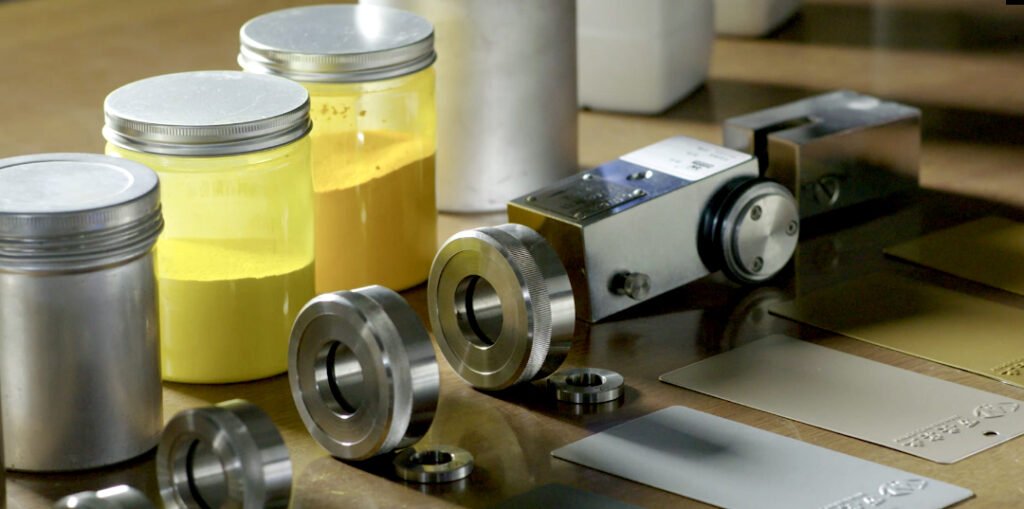
Powder coatings are an advanced, eco-friendly coating technology that exists in solid powder form. Unlike traditional solvent-based coatings, powder coatings contain no solvents, making them a sustainable and efficient solution for modern manufacturing.
They are formulated from:
- Solid resins
- Pigments
- Fillers
- Functional additives
Using air as the dispersion medium, powder coating systems achieve 100% film formation, eliminating VOC emissions and significantly improving material utilization.
This makes industrial powder coating a preferred choice for industries such as construction, automotive, appliances, and metal fabrication.
Types of Powder Coatings
1. Thermoset Powder Coatings
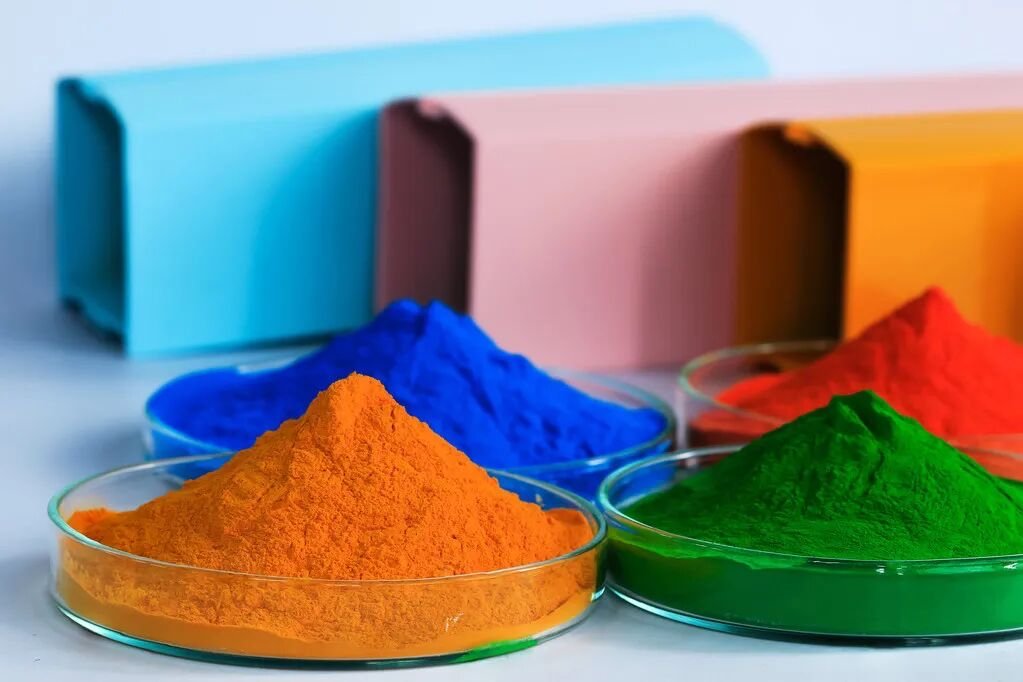
Thermoset powder coating is the most widely used category. During curing, it undergoes a chemical crosslinking reaction, forming a hard, durable, and irreversible coating.
Common Thermoset Powder Coating Types
Epoxy Powder Coating
- Excellent adhesion and chemical resistance
- High hardness and abrasion resistance
- Best for indoor powder coating applications (electrical cabinets, pipelines)
Polyester Powder Coating
- Outstanding UV resistance and weatherability
- Superior gloss retention
- Ideal for outdoor powder coating (aluminum profiles, fences, agricultural equipment)
Epoxy-Polyester Hybrid Powder
- Balanced corrosion resistance and decorative properties
- Widely used in appliances and office furniture
Acrylic Powder Coating
- Excellent color retention and stain resistance
- Used in automotive exterior and high-end architectural applications
Polyurethane Powder Coating
- Good flexibility and weather resistance
- Suitable for coatings requiring mechanical toughness
Thermoset systems dominate powder coating applications where durability, adhesion, and corrosion protection are critical.
2.Thermoplastic Powder Coatings
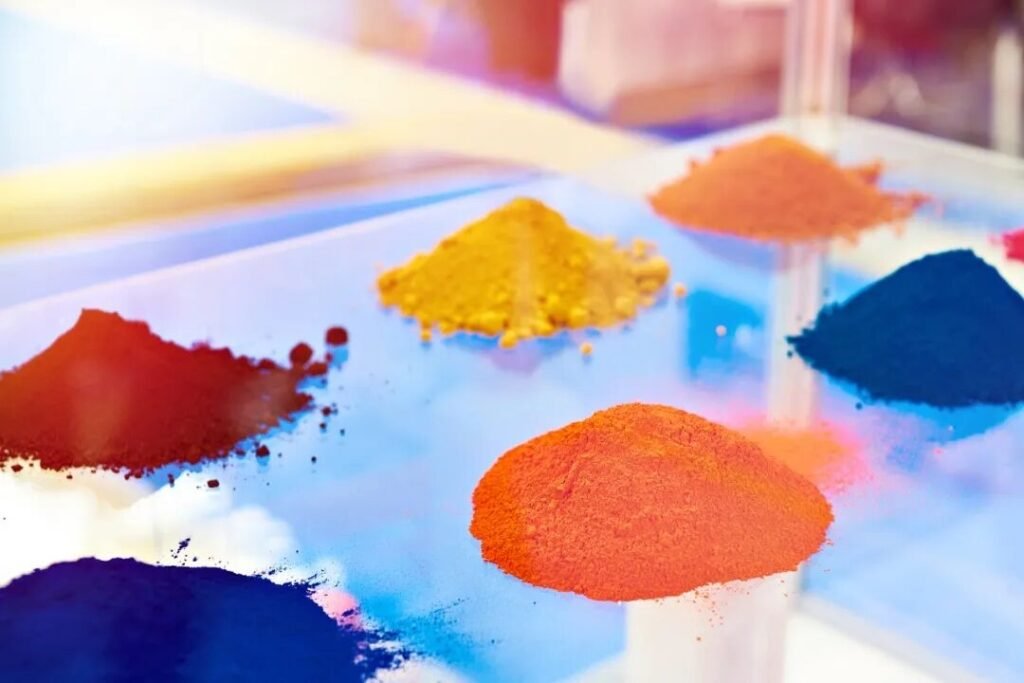
Thermoplastic powder coating behaves differently—it melts when heated and solidifies upon cooling, without chemical crosslinking.
Common Thermoplastic Powder Coating Types
Polyethylene (PE) Powder Coating
- Excellent chemical resistance and insulation
- Used for pipelines and anti-corrosion equipment
PVC Powder Coating
- Cost-effective with good acid and alkali resistance
- Suitable for wire products and furniture
Nylon (Polyamide) Powder Coating
- Superior wear resistance and toughness
- Ideal for mechanical components and tool handles
Fluoropolymer Powder Coating
- Exceptional heat resistance and weather durability
- Used in chemical and high-temperature environments
Limitations of Thermoplastic Coatings
- Lower surface finish quality
- Reduced adhesion to metal substrates compared to thermosets
Additional Powder Coating Classifications
By Application Environment
- Indoor powder coating: epoxy systems
- Outdoor powder coating: polyester, acrylic systems
By Surface Finish
- High gloss / matte / satin
- Metallic and textured finishes
- Wood grain powder coatings
By Functional Performance
- Fluorocarbon powder coatings → ultra-weather resistance
- Antibacterial powder coatings → medical and hygiene applications
How to Choose the Right Powder Coating
Selecting the correct powder coating type depends on several key factors:
1. Application Environment
- Indoor → epoxy or hybrid powders
- Outdoor → polyester or fluoropolymer powders
2. Performance Requirements
- Corrosion resistance
- Weather resistance
- Mechanical strength and flexibility
3. Aesthetic Requirements
- Color stability
- Gloss level
- Special effects (metallic, textured, wood grain)
A well-selected system ensures optimal performance in industrial powder coating applications.
Conclusion
With increasing environmental regulations and performance demands, powder coatings have become a leading solution in modern surface finishing.
Their combination of:
- Sustainability
- Durability
- Cost efficiency
makes them a cornerstone of eco-friendly coatings and advanced manufacturing.