
In powder coating production, many coating defects are often blamed on the powder itself, spray equipment, or curing conditions. However, in real production environments, a large percentage of quality problems actually originate from poor environmental control.
By managing three critical factors correctly — moisture content, fluidization, and reclaimed powder usage — manufacturers can prevent more than 90% of common powder coating defects such as blistering, pinholes, poor flow, and orange peel.
This article explains how to optimize your powder coating environment and improve coating consistency, transfer efficiency, and final surface quality.
1. Moisture Content: The Lifeline of Powder Coating Quality
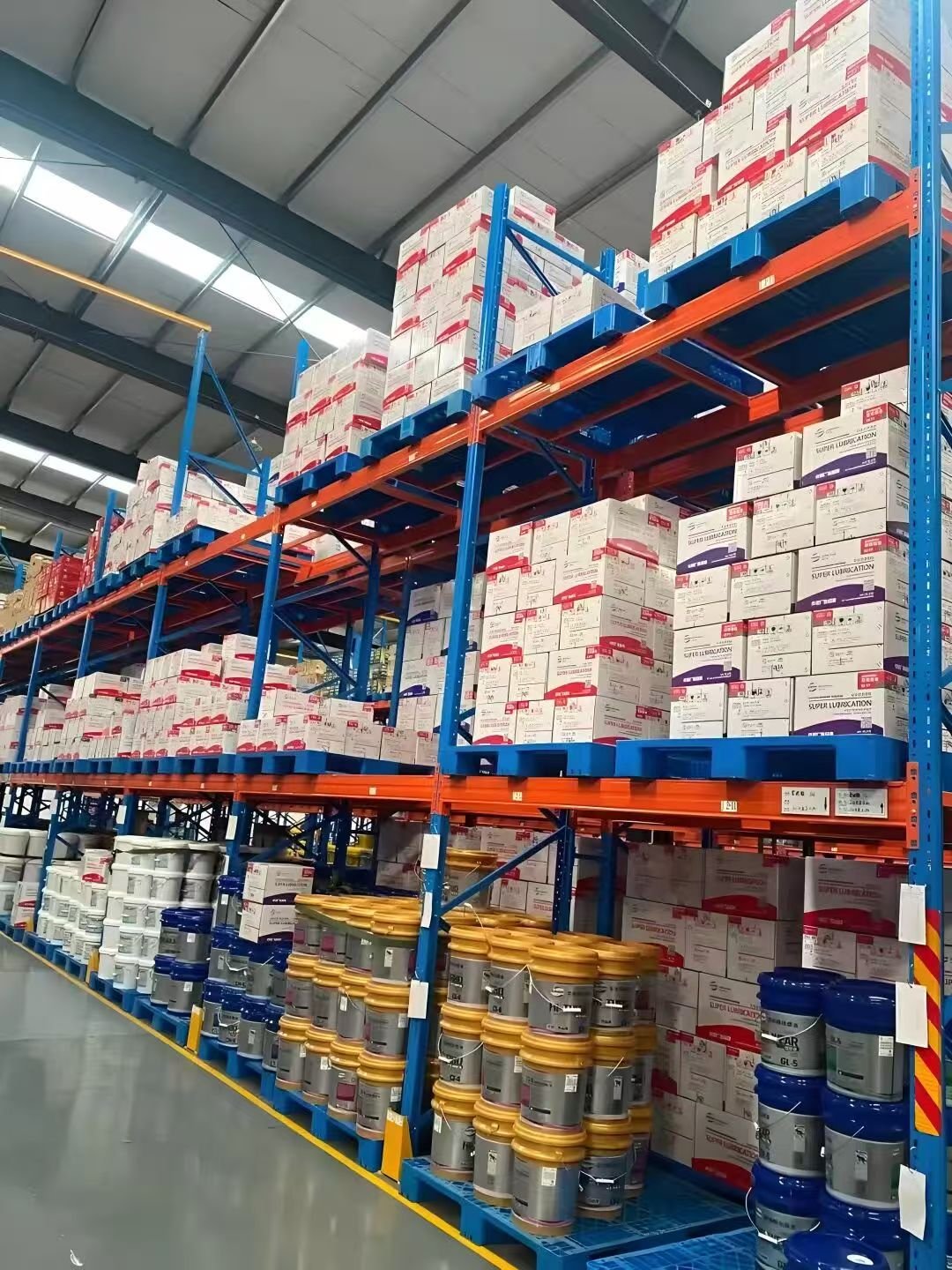
Moisture control is one of the most important factors in powder coating application and storage.Excess moisture in powder coatings can directly lead to:
- Blistering
- Pinholes
- Surface contamination
- Poor electrostatic performance
- Uneven film appearance
For most standard thermosetting powder coatings, the recommended moisture content should remain:
- Safe level: ≤0.2%
- Critical limit: 0.3%
Once the moisture level exceeds the critical range, coating defects become highly likely during curing.
Recommended Powder Coating Storage Conditions
To maintain powder stability and spraying performance, warehouses should be controlled under the following conditions:
- Temperature:18–25°C
- Relative Humidity:≤65%
- High Humidity Action:Activate dehumidifiers above 70% RH
Outdoor storage or exposure to humid air should always be avoided, especially in tropical, rainy, or coastal regions.
Proper storage management helps maintain:
- Powder flowability
- Electrostatic charging performance
- Stable gloss and texture
- Long-term shelf life
2. Proper Fluidization Improves Powder Coating Performance
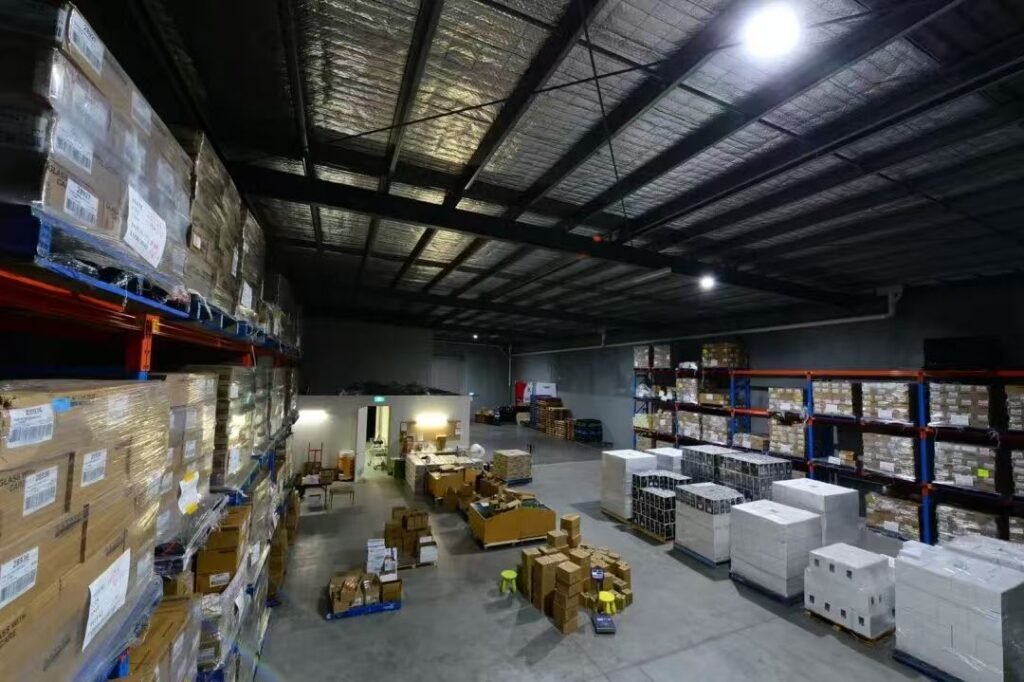
Fluidization is the foundation of stable powder feeding and consistent spray application.
A correctly fluidized powder should appear in a uniform “boiling” condition inside the hopper. Poor fluidization can result in:
- Uneven powder output
- Inconsistent film thickness
- Low transfer efficiency
- Surface appearance defects
Simple Fluidization Inspection Method
One practical way to check fluidization is the hand test:
- Insert your hand into the powder hopper
- The powder should feel loose, soft, and free-flowing
- No hard agglomeration or compacted clumps should be present
If clumping occurs, possible causes may include:
- Excessive humidity
- Incorrect fluidizing air pressure
- Contaminated reclaimed powder
- Long-term improper storage
Maintaining stable fluidization conditions helps ensure smooth spraying and better coating consistency.
3. Reclaimed Powder Management: Avoid Random Mixing
Improper use of reclaimed powder is one of the leading causes of coating instability in powder coating production lines.
Although reclaimed powder helps reduce material waste and improve utilization rates, uncontrolled mixing can negatively affect coating appearance and performance.
Recommended Reclaimed Powder Ratio
In most applications, reclaimed powder should not exceed:
- 20% of the total powder mixture
Excessive reclaimed powder can increase the risk of:
- Orange peel defects
- Gloss inconsistency
- Poor leveling
- Color variation
- Reduced mechanical performance
Never Mix Different Powder Types
Manufacturers should strictly avoid mixing:
- Different production batches
- Different resin systems
- Different gloss levels
- Different colors or textures
- Different curing characteristics
Blindly combining incompatible powders is a common root cause of unstable coating quality.
A standardized reclaimed powder management process is essential for maintaining long-term production consistency.
Final Thoughts
High-quality powder coating results depend on much more than the powder formula itself. Environmental management plays a critical role in coating stability, surface appearance, and long-term product performance.
By controlling:
- Moisture content
- Fluidization conditions
- Reclaimed powder usage
manufacturers can significantly reduce coating defects and improve overall production efficiency.
Whether you are operating an automatic powder coating line or a manual spray system, proper environmental control should always be part of your standard operating procedure.
If you would like to discuss powder coating technology, application problems, or coating defect solutions, feel free to contact us for technical support.