The Hidden Root Cause of Powder Coating Defects
In many powder coating operations, unstable quality is often attributed to spraying parameters—gun settings, powder flow, or operator technique. While these factors do matter, they are rarely the primary cause of recurring defects.
n reality, pretreatment is the foundation of coating performance. If the substrate is not properly prepared, even the most advanced powder coating system cannot compensate for underlying surface issues.
Common Pretreatment Problems and Their Impact
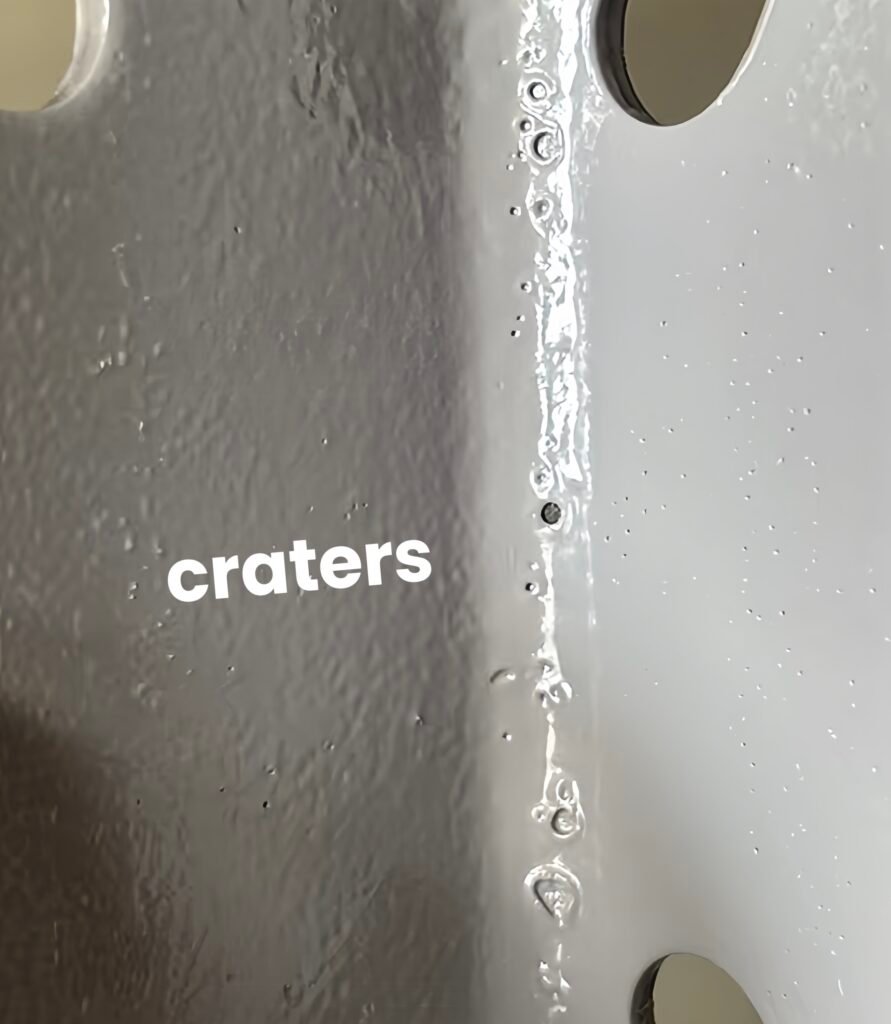
1.Incomplete Degreasing → Craters (Fish Eyes)
Residual oils, lubricants, or contaminants on the substrate surface can prevent proper powder adhesion. During curing, these contaminants repel the coating, leading to craters or fish eyes.
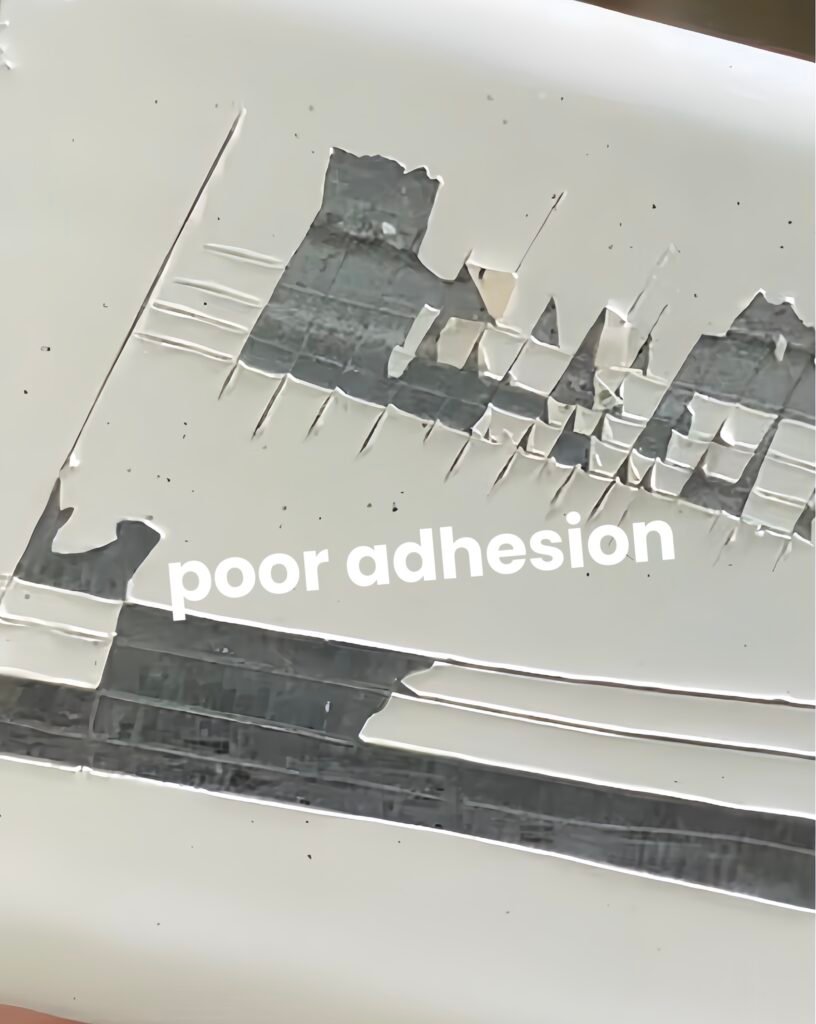
2.Non-Uniform Phosphating → Poor Adhesion
An uneven or poorly formed phosphate layer results in weak bonding between the substrate and coating. This directly affects:
- Adhesion performance
- Corrosion resistance
- Long-term durability
3.Insufficient Rinsing → Chemical Residue Defects
If rinsing is not thorough, pretreatment chemicals may remain on the surface. During curing, these residues can react or decompose, causing:
- Pinholes
- Surface contamination
- Coating instability
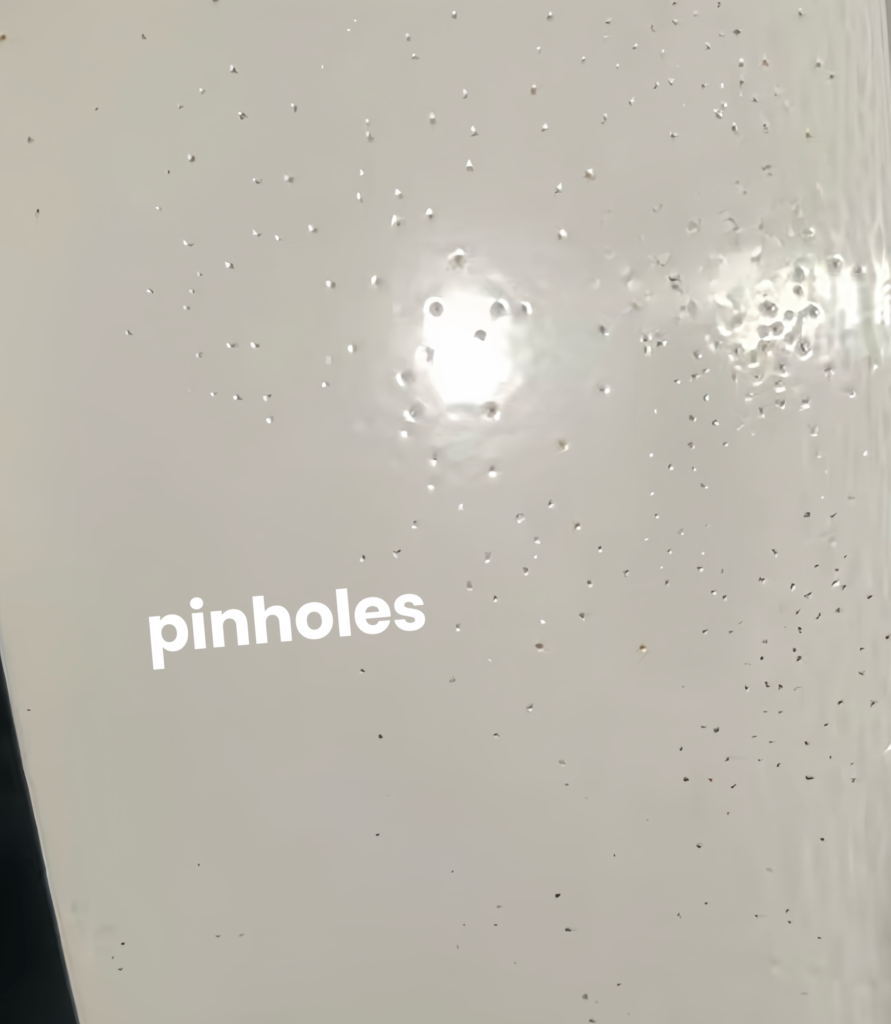
4.Moisture Carryover → Porosity and Pinholes
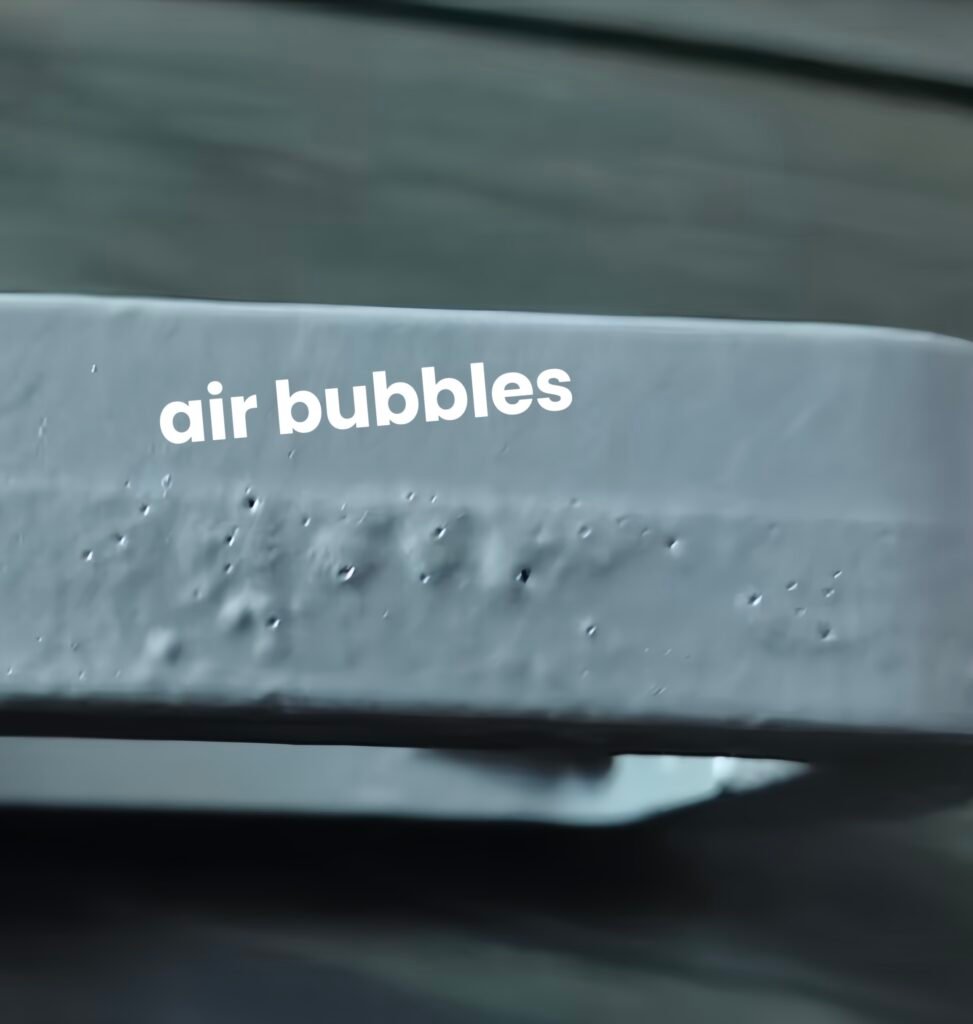
One commonly overlooked issue in workshops is parts entering the spray booth with residual water.When these wet parts enter the curing oven:
- Water evaporates rapidly
- Vapor becomes trapped inside the coating
- Result: gas pores, pinholes, or blistering
This defect is particularly difficult to trace because it originates before spraying even begins.
Why Pretreatment Control Is Critical
A stable powder coating process depends on consistency upstream. Key pretreatment control points include:
- Proper chemical concentration management
- Controlled process time and temperature
- Effective rinsing (multi-stage if needed)
- Complete drying before powder application
Even small deviations can cascade into visible defects after curing.
The Case for a Professional Pretreatment Partner
Many coating defects can be eliminated not by upgrading spray equipment, but by optimizing pretreatment systems. Working with a professional pretreatment supplier offers:
- Customized chemical solutions based on substrate and application
- Process optimization and line design support
- Quality control standards for consistent performance
- Technical troubleshooting for defect reduction
Conclusion
If your powder coating quality is inconsistent, the problem may not lie in the spray booth—but in what happens before it.
Pretreatment is not just a preliminary step—it is the backbone of coating quality.
Investing in proper pretreatment processes and expert support can significantly reduce defects, improve adhesion, and ensure long-term coating performance.